
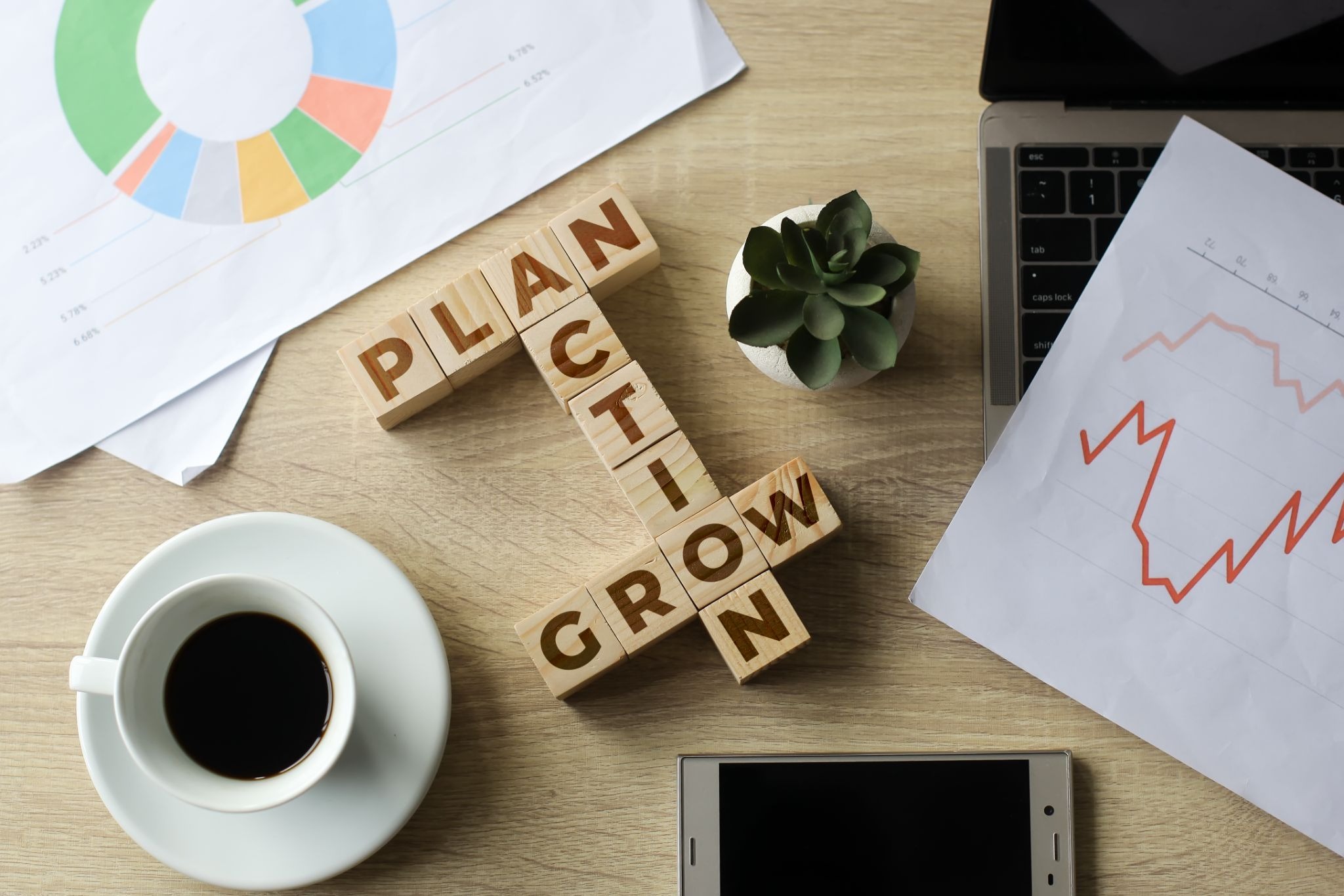
Personal growth is more than just reading self-help books or setting vague goals. It is about making small changes in your mindset, habits, and daily routines that add up over time. Growth requires consistent effort and a willingness to reflect on yourself honestly. People who focus on personal growth often feel more confident, motivated, and capable of handling challenges. Effective personal growth strategies combine mental awareness, practical actions, and emotional care to create steady improvement. This article explores methods that can help you develop in a balanced and sustainable way so you feel more in control of your life and decisions.
Understanding the Importance of Personal Growth
Continuous personal growth is important because life keeps changing, and challenges never stop. Without actively developing ourselves, it is easy to feel stuck or overwhelmed. Growth helps you make better decisions, adapt to changes, and maintain emotional balance. It also gives you a sense of purpose and direction, which can improve motivation and overall satisfaction. Recognizing areas where you need to improve starts with self-awareness. Knowing your strengths and weaknesses allows you to focus on what matters most. The right personal growth strategies create a foundation that makes it easier to take consistent action, learn from experiences, and handle stress effectively.
Building a Growth-Oriented Mindset
Adopting a mindset focused on growth changes how you approach challenges. Instead of avoiding difficulties, you begin to see them as opportunities to learn something new. Overcoming limiting beliefs is key because negative thoughts can prevent progress before it even starts. Simple self-talk and reframing your thinking can help replace doubts with more constructive perspectives. Mental resilience also plays a big role in personal growth. Life will throw setbacks your way, but learning to recover, adjust, and keep moving forward makes improvement possible. A mindset that is open, curious, and persistent sets the stage for all other growth efforts.
Setting Clear and Meaningful Goals
Goals give you direction and motivation. When you know what you want, it is easier to focus your time and energy. Personal growth strategies are stronger when your objectives are specific and meaningful. Breaking large goals into smaller, manageable steps makes them less overwhelming. This approach allows you to celebrate small wins while keeping your eyes on the bigger picture. Monitoring progress is just as important. Reviewing your actions regularly and adjusting your plans when necessary ensures that you stay on track. Clear goals paired with practical steps make growth tangible and consistent over time.
Developing Productive Daily Habits
Habits shape much of what we do without us realizing it. Small daily actions have a huge impact on long-term growth. Creating routines that support your objectives helps you stay consistent even when motivation is low. For example, setting aside time each morning for reading, reflection, or planning can provide focus for the entire day. At the same time, identifying and removing habits that hold you back is essential. Avoiding distractions, negative patterns, and unproductive behaviors frees up energy for improvement. Effective personal growth strategies rely on repeating positive habits while gradually replacing the ones that limit your potential.
Expanding Knowledge and Skills
Learning does not stop after school. Lifelong learning is one of the most practical personal growth strategies because it keeps your mind sharp and your skills relevant. Reading books, taking courses, or practicing new skills regularly adds to your confidence and competence. Experience is another teacher. Reflecting on past successes and failures helps you avoid repeated mistakes and make better choices. Seeking guidance from mentors or people who have walked a similar path can provide a valuable perspective. Combining formal learning, personal reflection, and mentorship accelerates growth and helps you apply knowledge in real situations.
Strengthening Emotional Intelligence
Understanding your emotions is crucial for personal growth. Emotional awareness helps you manage stress, communicate clearly, and respond effectively in difficult situations. Personal growth strategies include techniques to improve emotional control, like mindfulness, reflection, or simple breathing exercises. Empathy is also important because it strengthens relationships and collaboration. Learning to recognize others’ feelings allows you to interact with more understanding and patience. Emotional intelligence supports personal and professional development by creating better communication, reducing conflict, and improving your ability to influence positive outcomes without forcing them.
Cultivating Self-Discipline and Accountability
Discipline keeps personal growth efforts consistent. It is easy to start new habits or set ambitious goals, but staying committed requires self-control. Personal growth strategies work best when you take responsibility for your actions and hold yourself accountable. Tracking progress, setting deadlines, and checking in regularly can help maintain focus. Motivation alone is not enough; discipline ensures that growth continues even when enthusiasm fades. Being accountable to yourself or others makes it harder to skip important steps. Over time, self-discipline strengthens confidence and ensures that your efforts lead to tangible improvements.
Improving Physical and Mental Well-Being
Your mind and body are connected, so health plays a big role in personal growth. Regular exercise, good sleep, and proper nutrition improve energy levels and mental clarity. Mental wellness is equally important. Practices such as mindfulness, journaling, or brief daily reflection can reduce stress and improve focus. Personal growth strategies require balancing productivity with rest. Overworking without breaks leads to burnout and slows improvement. Taking care of your physical and emotional health provides the foundation for sustained learning, habit formation, and overall progress.
Building Strong Relationships for Growth
The people around you influence your growth more than you might realize. Positive, supportive relationships encourage habits that promote development. Collaboration and exchanging ideas can expand your perspective and introduce you to new approaches. At the same time, setting healthy boundaries is important to maintain your energy and focus. Personal growth strategies include choosing environments and relationships that challenge you while providing support. Surrounding yourself with people who inspire learning, accountability, and emotional balance strengthens your ability to grow consistently over time.
Measuring and Sustaining Personal Growth
Tracking your progress is a simple but effective way to sustain personal growth. Journaling, habit trackers, or regular reflection help you see where you are improving and where adjustments are needed. Celebrating small achievements keeps motivation high and reinforces positive behaviors. Growth strategies also need to adapt over time. As life changes, your priorities and challenges shift, and your approach to improvement should evolve with them. Personal growth is not a one-time event; it is a daily practice that requires patience, consistency, and attention to both successes and setbacks.
Conclusion
Personal growth is a continuous journey that involves mindset, habits, skills, emotional intelligence, and supportive relationships. Applying personal growth strategies consistently improves natural and steady growth rather than being forced. When growth becomes part of daily life, it leads to more confidence, better resilience, and stronger satisfaction. Small, consistent steps compound over time and help you reach your full potential in both personal and professional areas. By focusing on practical actions and reflection, you can make personal growth achievable and meaningful.
FAQs
1. What are personal growth strategies, and why do they matter?
Personal growth strategies are practical actions that help improve mindset, habits, skills, and emotional balance. They matter because they guide consistent development and long-term life satisfaction.
2. How can I start applying personal growth strategies daily?
Start with small habits like journaling, reflection, or reading. Set clear goals, track progress, and adjust routines regularly to make personal growth consistent and manageable.
3. Which habits support personal growth effectively?
Daily reflection, learning new skills, maintaining routines, and exercising are key habits. Removing distractions and limiting negative patterns also supports sustainable personal growth.
4. How does emotional intelligence relate to personal growth strategies?
Emotional intelligence helps you manage stress, improve communication, and strengthen relationships. Developing self-awareness and empathy enhances personal growth and creates better social interactions.
5. Can personal growth strategies improve professional life, too?
Yes, applying strategies like goal setting, skill development, and discipline strengthens work performance. Growth habits increase productivity, decision-making, resilience, and career satisfaction.